






Electric Dodge Charger vs. Gas Dodge Charger
The Dodge Charger, a symbol of American muscle, has been shifting gears. As the automotive world moves toward electric vehicles (EVs), this iconic car has made a bold transition from its gas-guzzling roots to an advanced electric powerhouse, blending classic muscle car spirit with modern electric technology.
For 2025, however, Dodge is reintroducing gas powertrains to the new Charger lineup. Our team at Auburn Chrysler Dodge Jeep Ram (CDJR) has explored how these two versions of the Charger stack up against each other in everything from raw power to everyday practicality so you can make an informed decision about which is right for you.
Power and Performance
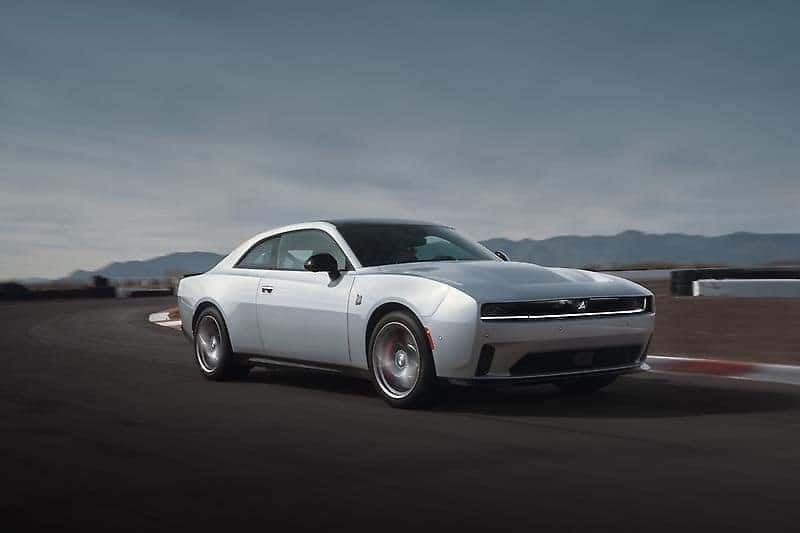
You can tell an electric from a gas Charger by the suffix on its name badge. The electric version is known as the Charger Daytona and the gas version as the SIXPACK. The EV comes in Scat Pack or R/T trims, a lineup likely to be mirrored in the SIXPACK — though this hasn’t been confirmed.
The 2025 Charger Daytona Scat Pack matches the 670 horsepower of the 2024 model and rockets from 0 to 60 mph in 3.3 seconds with an 11.5-second quarter-mile.
The 2025 gas Charger SIXPACK reportedly makes 420 horsepower from its standard-output 3.0-liter twin-turbo Hurricane engine and 550 horsepower from the high-output version. The main difference is timing — EVs deliver full torque instantly while gas engines need to rev up.
Range and Efficiency
In terms of range and efficiency, electric wins big. The Daytona EV R/T covers 308 miles per charge and achieves 104 MPGe in the city and 91 MPGe on the highway, crushing the gas version’s predicted ratings of 19 mpg and 30 mpg, respectively. If you cover 15,000 miles yearly, that could save you about $1,800 in fuel costs, which is enough for a vacation or home upgrade.
Charging vs. Refueling
America now has over 200,000 charging ports and approximately 145,000 gas stations, but the number of charging stations is predicted to grow significantly over the next five years. That said, you’ll still find gas stations a familiar sight on our roads for many years to come. The real perk of EVs is home charging. The convenience of waking up each day to a full battery without gas station detours may be enough to make you rethink your relationship with combustion engines.
Although traditional refueling can be completed in a matter of minutes, DC fast charging takes you from 20%-80% in 24 minutes, while daily charging with the 11 kW AC system goes from 5%-80% in 6.8 hours, so you can simply plug in your Charger Daytona overnight.
Environmental Impact
Electric Chargers cut emissions by 95% compared to gas models, which release about 350 grams of CO2 per mile. While not totally emission-free when factoring in power generation, EVs are still much cleaner, especially as the grid improves yearly. For green-minded muscle car fans, this means keeping performance without the carbon guilt.
Technology and Features
The Charger has a 12.3-inch central touch screen paired with either a 16-inch gauge cluster in the Scat Pack or a 10.25-inch display in the R/T. These run Android-powered Uconnect 5 with a customizable homepage, Android Auto and Apple CarPlay, and Amazon Alexa integration, all of which are user-friendly despite the advanced features.
The Fratzonic chambered exhaust system in the Charger Daytona cleverly mimics the rumble of a V-8, getting louder as you speed up. If you’re a purist, you might question it, but we think the sound is convincing. The PowerShot button adds 40 horsepower for 15 seconds, giving you an instant boost when you need it.
The electric Charger offers seven drive modes: Auto, Track, Wet/Snow, Sport, Custom, Drag, and Drift/Donut. Gas Chargers will have drive modes, too, but are unlikely to match this level of customization. If you’re a data fan, you’ll appreciate the Performance Pages app, which gives you stats tracking and a DXR recording system.
Safety and Driver Assistance
The electric Charger has automatic emergency braking with pedestrian detection, adaptive cruise control, lane-keeping assistance, and blind-spot warning. These systems work together seamlessly to prevent accidents and make long highway drives less exhausting.
While the gas model will likely have similar features, the electric version’s newer platform should enable better integration. Its regenerative braking doubles up to extend range while boosting emergency stopping power. The EV also includes a pedestrian warning sound (since it runs so quietly) and parking sensors with audio-visual alerts to help in tight spots.
Both Chargers feature high-strength safety cages and multiple airbags that meet or exceed safety standards. The electric model also gets a stability boost from its low-mounted battery pack, giving it better handling during emergency maneuvers.
Long Term Reliability and Resale Value
For long-term reliability, the electric Charger introduces new variables. Batteries last 10-20 years with typical eight-year or 100,000-mile warranties, offering decent peace of mind. Electric motors have around 20 moving parts versus a gas engine’s 2,000, meaning no oil changes and fewer part failures, transmission issues, or blown gaskets. However, older versions of the gas Charger had a proven track record with nationwide mechanic familiarity and affordable, available parts. There’s little reason to suppose the new model should be any different.
When it comes to resale values, used EV prices fell 31.8% last year compared to gas vehicles’ 3.6% drop, but this may change as charging infrastructure grows and adoption increases. With 40% of US car shoppers considering EVs and projections showing two-thirds market share by 2040, today’s depreciation hit might become tomorrow’s wise investment.
EVs show promising durability but face uncertainty beyond 15 years. If you trade every five to seven years, the electric warranty likely covers your ownership, but battery replacement costs come into play if you plan to own the vehicle for a long time. In short, both options offer good reliability but with different maintenance considerations.
Which Dodge Charger Is Right for You?
Your perfect Charger depends on your lifestyle priorities. For instant power, cutting-edge tech, reduced maintenance costs, and no more gas stations, go electric.
If you prefer traditional muscle car vibes, the gas Charger delivers with its growling engine and simple refueling on long trips. It should also hold its value better and doesn’t require a home charging setup or planning your routes around charging stations.
Contact us at Auburn CDJR in Auburn, California, to learn more about the different Charger models available and take the 2025 models for a test-drive as soon as they reach us later in 2025.